English
 Русский
 Español
Routes
View road freight routes
Find in catalog



Depend on distance, loading/unloading queues, traffic conditions, movement restrictions, and border crossings.

Cargo dimensions and weight, axle loads, temperature requirements, ADR, and body type requirements are taken into account.
For shipping, you usually need an invoice, packing list, item description, and a CMR note for international road transport.

FTL/LTL, consolidated, regular supplies, door-to-door deliveries.
Road freight may seem like a simple delivery format, but in practice, the result depends on accurate cargo data, correct documents, loading coordination, and transit monitoring. For international shipments, border and customs procedures are also considered.
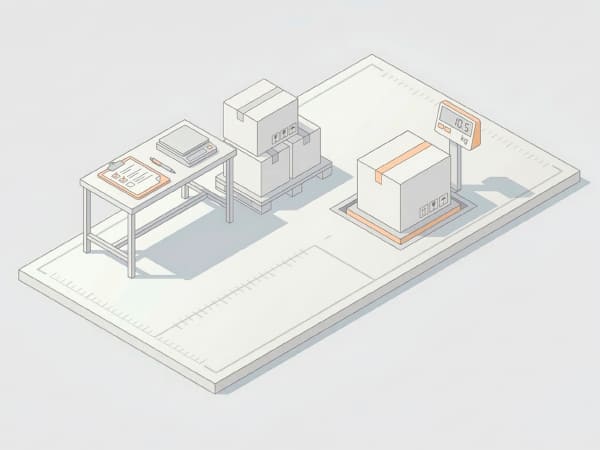
Cargo parameters, packaging, loading/unloading addresses, time windows, contacts, and requirements for temperature, fragility, or ADR are specified. At this stage, restrictions on dimensions, weight, access, and route are also verified.
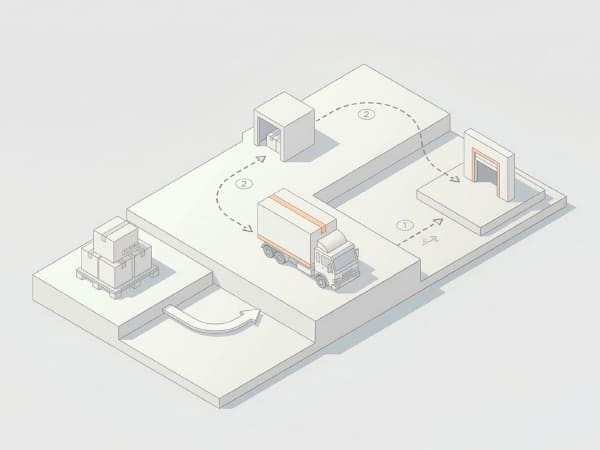
The shipment format is determined: FTL, LTL, consolidated delivery, direct route, or transport with reloading via a warehouse or hub. Simultaneously, suitable transport is selected taking into account cargo specifics.
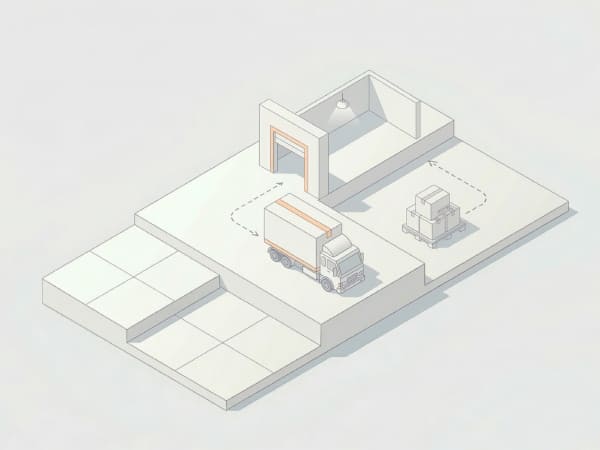
The arrival date, loading time, route, potential en-route restrictions, and the actual transit schedule are coordinated. Upon cargo acceptance, packaging, labeling, number of items, and the set of documents are checked.
After loading and securing, the cargo follows the route with status monitoring, passage of key points, and checking for potential deviations. For international delivery, customs and border procedures are also completed at this stage.
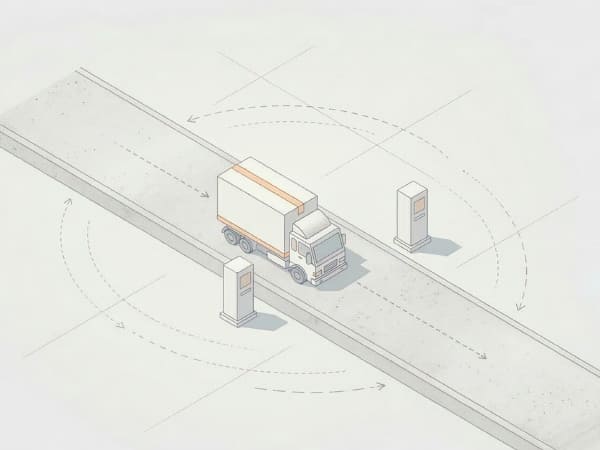
At the destination point, the number of items, cargo condition, and packaging are checked, document records are made, and discrepancies are noted if any exist.
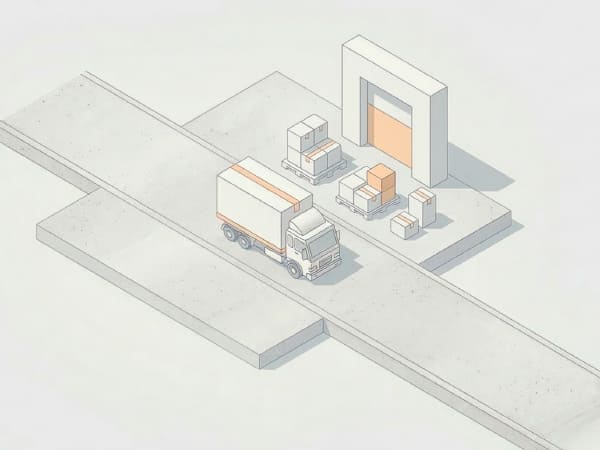
For road transport, two things are critical: packaging and securing. Even a good carrier won't save the cargo if it "moves inside the trailer."
Road transport is rarely delayed due to the "speed of the truck." Usually, delays are due to surrounding processes: loading, documents, borders, facility access.
Conclusion: if timing is critical — set windows, prepare documents in advance, and choose a format with minimal reloading.
The main risk for road freight is not "on the road," but in operations: loading, securing, documents, borders, and communication. Therefore, choose a contractor based on process manageability, not promises.
FTL is a dedicated truck for one cargo/one client, usually faster and with less risk. Consolidated includes consolidation and reloading, but is often more profitable for small shipments.
CMR is a consignment note for international road freight. It is the main document recording transport conditions and the fact of cargo transfer.
Because truck downtime is one of the most frequent reasons for missing deadlines. If windows are not coordinated, delivery will "stall" before it even starts.
Weak packaging, poor palletization, lack of securing, or incorrect loading relative to the center of gravity.
Label each item, indicate the number of items in documents, use durable packaging, and take photos upon drop-off.
Borders and documents: queues, inspections, invoice/packing list consistency, and accuracy of cargo data.
If the cargo value is significant for the business, insurance is often justified. But it is important to understand that insurance does not replace proper packaging and securing.