English
 Русский
 Español
Routes
Browse rail freight routes
Find in catalogue


Depend on schedules, junctions, terminals, and congestion.

Cargo dimensions and weight, securing requirements, platform or wagon type.
Invoice, packing list, cargo description, and rail waybill.

Containers, large shipments, regular routes, and multimodal schemes.
In rail freight, the key factors are terminals, schedules, and junctions. The actual movement by rail is generally stable; delays tend to arise during handling, transhipment, and documentation stages.
Cargo parameters (weight, dimensions, packaging, conditions), origin and destination points (terminal or door), timelines, and contact details are confirmed. At this stage, the basic scheme is established and the applicability of rail transport is verified.
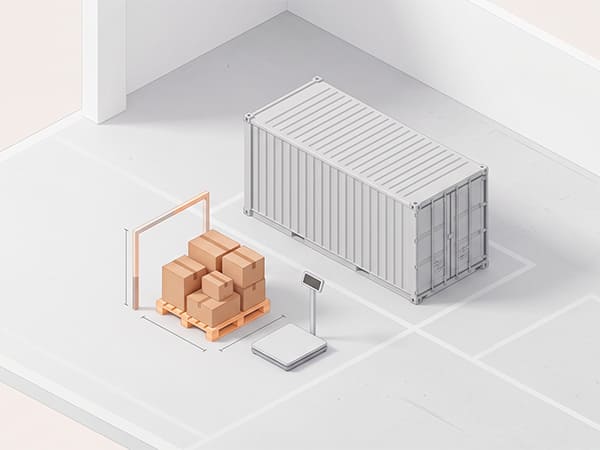
The format is determined: container (20'/40'), wagon load, terminal-to-terminal, or with road delivery. Simultaneously, restrictions on weight, dimensions, cargo type, securing requirements, and transport conditions are verified.
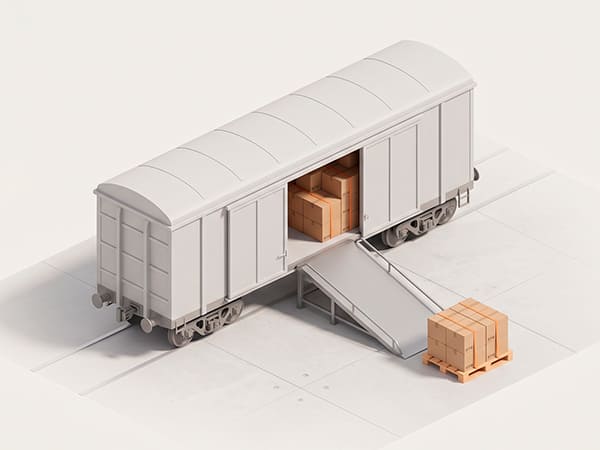
Departure and destination stations, junctions, and transhipment points are selected. Timelines are calculated taking into account schedules, terminal handling, and potential delays at connection points.
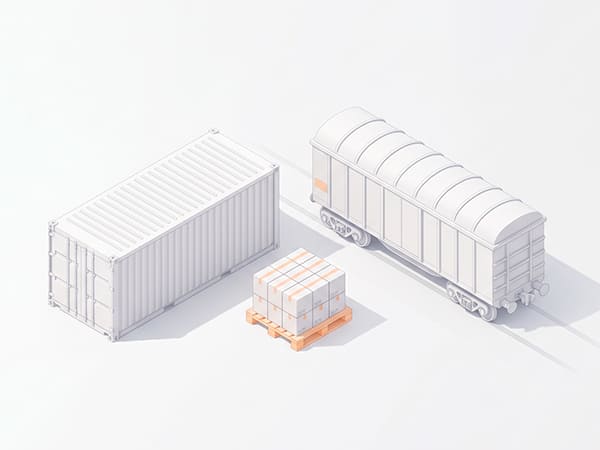
A container or wagon is arranged, loading, securing, and sealing are carried out. Rail documents are completed, the cargo is accepted by the terminal, and included in the dispatch plan.
The shipment travels through the network with handling at junctions. Upon arrival, terminal processing, condition check, and cargo release are carried out. Where required, last-mile delivery and closing documentation are arranged.
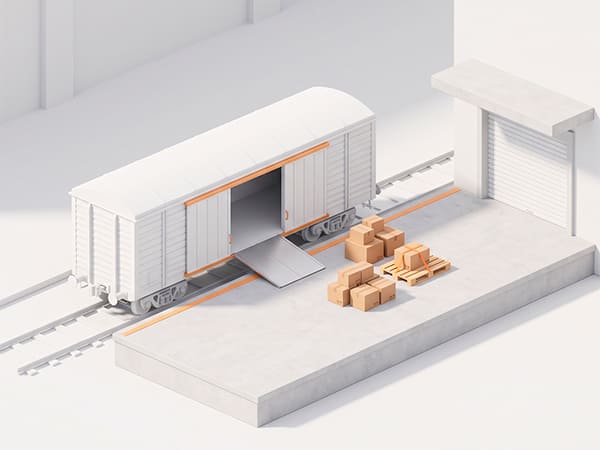
In rail freight, reliable cargo securing and resilience to vibrations, shunting, and marshalling operations are critical. Equally important is correct sealing of the container or wagon where required by the transport scheme.
Rail freight transit times are determined less by train speed and more by terminal operations, junctions, and the overall organisation of the logistics chain.
Key takeaway: when deadlines are critical, terminal stages and connection points must be actively managed — not just the rail movement itself.
In rail freight, the value of a contractor is defined not by promises of speed, but by the ability to manage terminals, rolling stock, schedules, and connections between transport stages.
A container is generally more versatile and better suited to a multimodal rail + road scheme. A wagon is usually chosen for large-volume shipments or specific cargo that requires a particular type of rolling stock.
Because terminals are where pickup, handling, shipment formation, and cargo release take place. A queue or an uncoordinated slot can add more time than the entire rail leg itself.
Securing is critical. During transport, shunting, braking, and marshalling operations occur. Insufficient securing significantly increases the risk of cargo damage.
The most common causes are waiting for pickup or release at the terminal, junction operations, document errors, and discrepancies in weight, number of pieces, or seal data.
Yes. This requires compliance with requirements for classification, labelling, documentation, and approvals. Any violations may result in delays or a prohibition on transport.
In most cases, yes. The standard scheme is: road to terminal → rail → road to consignee.
Packaging should be reinforced, additional securing elements used, the number of transhipments minimised, and handling requirements at terminals agreed in advance.
If the cargo value is significant, insurance is generally worthwhile. That said, insurance does not replace quality securing, packaging, and correct documentation.
Start by defining the shipment format (container or wagon), terminal requirements, and cargo specifics. You can then compare routes and select a suitable carrier.