loader
Sea freight is the preferred choice when cost efficiency over long distances, transportation of large shipments, and container flows matter. It is the foundational format for international trade: stable in its process logic, yet demanding in terms of planning, port operation timelines, and documentation.

Routes

Browse sea freight routes

Find in catalogue


Carriers

Find a sea freight
carrier

Find in catalogue

Key aspects of sea freight

  • Transit times

    Depend on shipping line schedules, ports, congestion, and compliance with cut-off deadlines.

  • Restrictions

    Container type, cargo weight, hazardous and temperature-controlled categories, packaging requirements.
  • Documents

    Invoice, packing list, cargo description, and bill of lading (B/L).

  • Suitable for

    FCL/LCL, container shipments, regular import and export.

How sea freight works

In sea logistics, the key factors are shipping line schedules and port operations. Most delays occur not at sea, but during container handover, port handling, and transhipment stages.

01.

Data collection and selection of shipment format

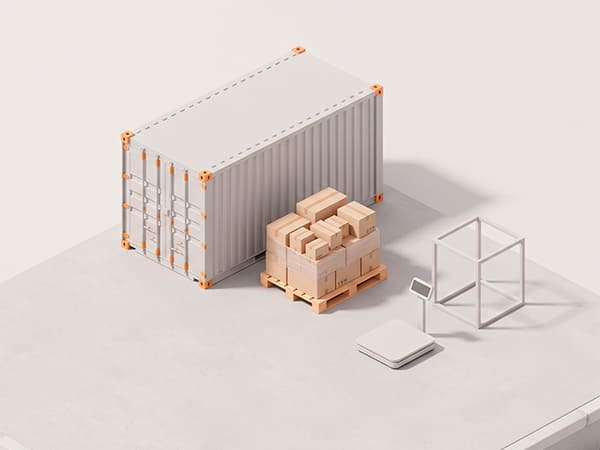
Cargo parameters, origin and destination points, timelines, and delivery terms are defined. At this stage, the FCL or LCL format, container type, and basic shipment scheme are selected.
02.

Route and port planning

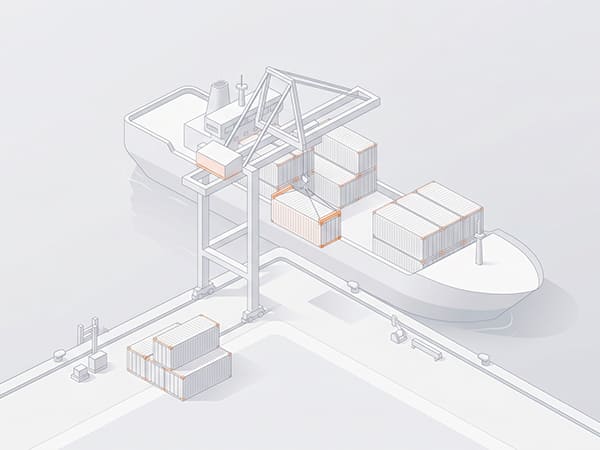
Ports of departure and arrival are selected, shipping lines and schedules are evaluated. Where necessary, transit ports and transhipments are factored in, as they affect timelines and risks.
03.

Cargo preparation and handover

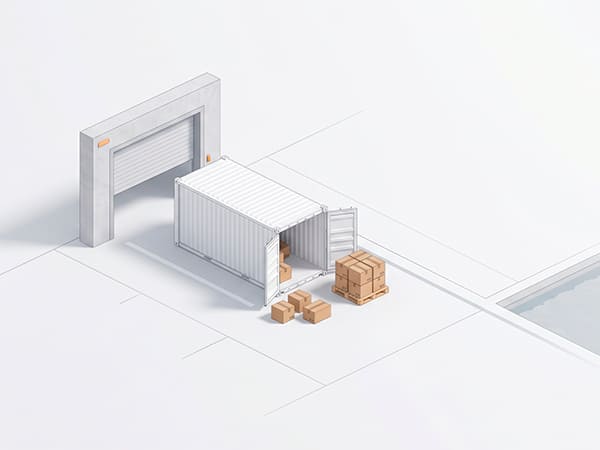
For FCL, a container is arranged and loaded. For LCL, cargo is delivered to a consolidation warehouse. Packaging, labelling, securing, and documentation are completed. Meeting the port cut-off deadline is critical.

04.

Port handling and departure

The container goes through terminal operations, possible inspections, and is loaded onto the vessel according to the shipping line schedule. Issues at this stage frequently result in a deferred departure.

05.

Sea leg, arrival, and cargo release

After departure, the vessel proceeds along the route, passing through transhipment ports where necessary. Upon arrival, terminal handling, cargo release, and onward delivery are arranged.
>

Sea freight delivery options

FCL (Full Container Load) — full container

Best suited for: large shipments, regular deliveries, and sensitive cargo.
What's included: the container is used exclusively by one client, with no consolidation with other shippers.
Where delays occur: container pickup, cut-off compliance, port queues, and transhipments.

LCL (Less than Container Load) — groupage delivery

Best suited for: small shipments where a full container is not required.
What's included: warehouse consolidation, combining multiple shipments, and subsequent handling in the logistics chain.
Where delays occur: waiting for a full load, consolidation and deconsolidation, additional port operations.

Port-to-Port

Best suited for: companies that independently organise delivery to the port of departure and from the port of arrival.
What's included: the sea leg and standard port handling.
Where delays occur: port procedures, inspections, queues, and transhipments.

Door-to-Port / Port-to-Door

Best suited for: when only the first or last mile of the logistics chain needs to be covered.
What's included: a road leg to or from the port, and the sea freight.
Where delays occur: synchronising road and port schedules, site access, and waiting times.

Door-to-Door (multimodal solution)

Best suited for: when a single end-to-end delivery process from shipper to consignee is required.
What's included: road delivery, port operations, the sea leg, and final-mile delivery.
Where delays occur: stage handovers, documentation, port operations, and container return.

Documents and data required for processing

Standard document set

  • Commercial invoice
  • Packing list (pieces, weight, dimensions)
  • Detailed cargo description
  • Shipping Instructions (where required by the process)
  • Bill of Lading (B/L) — the primary sea freight document

Additional documents by cargo type

  • Dangerous goods documentation and labelling (DG / IMDG)
  • Temperature instructions for refrigerated containers
  • Certificates and permits for regulated goods
  • Fumigation and packaging treatment requirements (if applicable)

What data is needed to avoid port delays

  • Container type and equipment requirements
  • Exact cargo weights, volumes, and dimensions
  • Seal information and its reflection in the documents
  • Cargo readiness dates and container delivery window
  • Acceptance conditions at the consolidation warehouse (for LCL)

Which cargo types are suitable for sea freight and which restrictions are critical

Container general cargo

Key considerations: correct stowage, securing inside the container, and protection from moisture.
Risk: damage due to cargo shifting and condensation.

Groupage shipments (LCL)

Key considerations: robust packaging and clear labelling of every piece.
Risk: damage or mis-sorting during consolidation and deconsolidation.

Dangerous goods (IMDG)

Key considerations: classification, packaging, labelling, and a complete set of documents.
Risk: refused loading or port delays if requirements are not met.

Temperature-controlled cargo

Key considerations: correct reefer container settings and temperature monitoring.
Risk: temperature excursion due to delays or connection errors.

Heavy and dense cargo

Key considerations: weight distribution and compliance with container limits.
Risk: fines, terminal refusal, or route restrictions due to overloading.

Fragile and sensitive cargo

Key considerations: reinforced packaging and protection from vibration and moisture.
Risk: micro-damage during sea transit and terminal handling.

Packaging, palletisation, and container loading

Sea freight requires particular attention to packaging and moisture protection. Errors made during container loading are often only discovered after the cargo arrives at the destination port.

Recommendations:
  • Use moisture barriers and sealed packaging for sensitive goods
  • Apply straps, dunnage, anti-slip materials, and void fillers
  • Distribute weight evenly across the container floor
  • Label all cargo pieces and reflect them in the packing list
  • Document the loading process with photographs before closing and sealing the container
Common mistakes:
  • Voids inside the container that cause cargo to shift in transit
  • Absence of moisture and condensation protection
  • Container overloading or improper weight distribution

What affects sea freight transit times

In sea logistics, transit times are determined not only by the time the cargo spends at sea. Port operations, transhipments, and compliance with shipping line requirements play a significant role.

Key factors:
  • Shipping line schedule and port call frequency
  • Cut-off compliance and timely container handover
  • Terminal congestion and port queues
  • Transhipments and waiting time for the next vessel
  • Cargo category and additional procedures for hazardous or temperature-controlled goods
  • Documentation, inspections, and possible examinations
  • Synchronisation with road delivery in a multimodal scheme

Key takeaway: managing transit times in sea freight starts with planning and meeting cargo handover deadlines — not just with vessel sailing time.

What affects the cost of sea freight

  • Shipment format: FCL or LCL
  • Container type (standard, High Cube, refrigerated, or special)
  • Selected ports and number of transhipments
  • Terminal operations and additional services
  • Cargo weight and volume, especially for LCL shipments
  • Seasonality and shipping line capacity utilisation
  • First- and last-mile delivery, as well as container return where required

Risks and how to mitigate them

Where problems most commonly arise
  • Missing the cut-off and rolling cargo to the next sailing
  • Queues and delays at ports and terminals
  • Transhipments and waiting for the next vessel
  • Errors in shipping instructions and other documents
  • Cargo damage due to poor securing or moisture exposure
  • Incorrect settings and maintenance of refrigerated containers
What actually helps
  • Plan shipments based on the shipping line schedule and allow time buffers
  • Deliver cargo or the container to the port in advance, ahead of the cut-off
  • Document the loading process and seal numbers with photographs
  • Use moisture protection and reliable securing inside the container
  • For refrigerated cargo, agree on temperature regimes and connection checks in advance

How to choose a sea freight carrier

In sea freight, a carrier's value is defined not only by how they manage the sea leg itself, but also by their ability to handle port stages, documentation, and non-standard situations. A single document error or missed cargo handover deadline can lead to serious delays.

Selection criteria:
  • Experience with your ports and cargo types (FCL, LCL, IMDG, refrigerated shipments)
  • Control of key stages: cut-off, terminals, transhipments, and cargo release
  • Document discipline and accurate handling of B/L and shipping instructions
  • Transparent status tracking and timely communication on deviations
  • Understanding of storage conditions, demurrage, detention, and container return terms

FAQ

FCL means the container is used by a single client, which reduces the number of handling operations and simplifies cargo control. LCL is groupage shipping, where the container is shared among multiple shippers.

A B/L (Bill of Lading) is the primary sea freight document. It confirms the acceptance of cargo for carriage and is used in the cargo release and documentation process.

The cut-off is the deadline for delivering the container and documents to the port. Missing it typically means the shipment is rolled to the next sailing.

The main causes are port congestion, transhipments, missed cut-offs, document errors, and additional cargo inspections.

Use reliable cargo securing, fill voids inside the container, provide moisture protection, and document the loading process with photographs.

For reefer containers, a temperature regime is set, power connection at ports is ensured, and compliance with the required conditions is monitored throughout the entire route.

If the cargo value is significant, insurance is generally worthwhile. That said, insurance does not replace proper packaging and correct documentation.

Yes. This requires compliance with IMDG requirements, including classification, packaging, labelling, and documentation. Non-compliance may result in refused loading or delays.