loader

This page is dedicated to international cargo transportation from Georgia: here you will find the main shipping formats, departure cities, and the operational logic of this route.

For shipments from Georgia, air, road, sea, and multimodal schemes can be used. The route is typically selected based on the point of origin, the nature of the cargo, urgency, and the supply chain configuration.

Cargo Transportation from Georgia

Logistics from Georgia is built around land, sea, and combined transportation schemes. To organize international delivery, not only the cargo parameters are important, but also the specific features of the transport hub through which the subsequent movement along the route begins.

For this route, the link between the city of departure and the chosen logistics scheme is of substantial importance. When building a route, the need for transshipment, the use of maritime legs, the possibility of direct delivery, and time requirements at individual stages of transportation are typically evaluated.

Delivery Routes from Georgia

The platform features routes from Georgia with various shipping logistics and subsequent cargo movement.

Modes of Transportation from Georgia

Several international delivery formats are applied from Georgia, each used to solve different logistical tasks.

01.

Air Freight from Georgia

Air delivery is used in cases where transit times are critical for the cargo and rapid progression through individual stages of the route is required. This format is more frequently considered for consignments where the speed of logistics is of higher importance than the cost of the transportation scheme.

02.

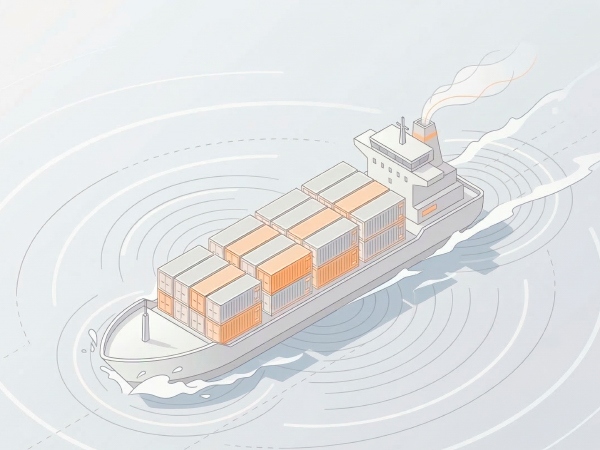
Sea Freight from Georgia

Maritime logistics is in demand for international shipments where the ability to move large consignments of cargo through port infrastructure is essential. This option is often used in routes with access to the Black Sea and subsequent delivery to various regions.

03.

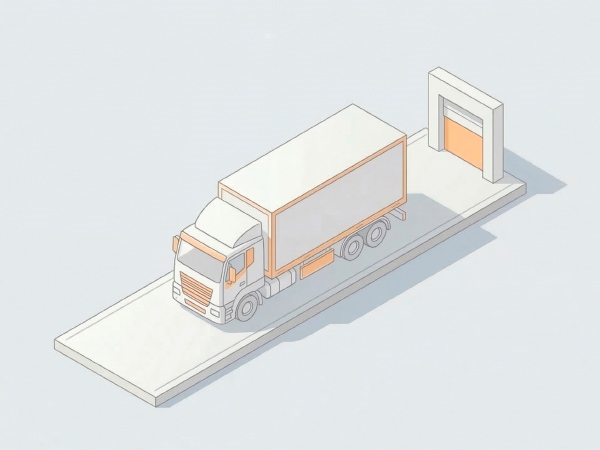
Road Freight from Georgia

Road transportation is suitable for regular shipments and overland routes where the flexibility of arranging dispatch and the possibility of delivery without complex transshipments at the initial stage are important. This format remains one of the most common for international logistics from the country.

04.

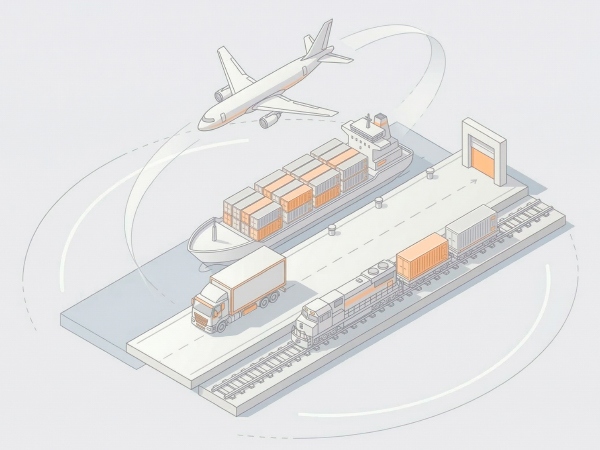
Multimodal Transportation from Georgia

The multimodal scheme is applied in situations where the route requires a combination of several modes of transport. This approach allows for the integration of road, sea, air, and other transit segments within a single supply chain.

Cargo Departure Cities in Georgia

The point of departure affects not only the start of the transportation but also the subsequent configuration of the route for the international destination.

Tbilisi

Tbilisi acts as the country's largest logistics hub, where warehouse complexes, transport companies, and aviation infrastructure are concentrated. The city is frequently used as a starting point for international shipments across various destinations.

Batumi

Batumi plays an important role in international logistics thanks to its access to maritime infrastructure. For a number of routes, it is the city's port capabilities that determine the subsequent cargo movement scheme and the organization of multimodal transportation.

Kutaisi

Kutaisi is used as one of the country's transport hubs, ensuring the distribution of cargo flows to international destinations. For specific routes, its role as a consolidation and subsequent dispatch point for cargo is significant.

What Affects Delivery Times and Rates from Georgia

The cost and duration of transportation are formed not by a single parameter, but by a combination of conditions of the specific shipment.

  • review thumb
    Shipping Route

    The final scheme depends on the direction of transportation, the number of stages, and the need to use intermediate hubs. The more complex the route, the more noticeably it affects delivery times and costs.

  • review thumb
    City of Departure

    Tbilisi, Batumi, and Kutaisi are integrated into the supply chain differently. For some destinations, aviation capabilities are crucial, while for others, access to maritime infrastructure or the convenience of subsequent route connectivity is key.

  • review thumb
    Mode of Transport

    Air, road, sea, and multimodal schemes differ in cost structure and delivery speed. The choice of transport is directly linked to the requirements of the specific transportation.

  • review thumb
    Consignment Format

    Groupage and individual shipments require different organization of the transportation process. This affects both the delivery cost and the specifics of route construction.

  • review thumb
    Handling and Number of Stages

    The use of ports, terminals, and distribution centers adds extra links to the logistical chain. Each such link affects transit time and the final rate calculation.

  • review thumb
    Nature of Cargo

    Weight, volume, storage requirements, packaging, and handling influence the choice of available routes and the freight calculation format. The same route can have different conditions for different categories of cargo.

Frequently Asked Questions about Cargo Delivery from Georgia

The minimum cargo size for booking and matching transportation on this route is 100 kg. The page is geared towards commercial and B2B shipments rather than small private parcels.

Air, road, sea, and multimodal transport are available for shipments from Georgia. The specific format is selected based on the route structure, time requirements, and cargo characteristics.

The timeframe is determined by the chosen route, the number of transportation stages, the mode of transport, and the need for transshipment. For specific destinations, the city of departure and the logistics scheme used also matter.

Within the scope of this page, shipments from Tbilisi, Batumi, and Kutaisi are considered. These cities perform various functions in international logistics and are used as starting points for building routes.

The cost is influenced by the direction of transportation, the chosen transport, the consignment format, the presence of transshipment, and cargo characteristics. The final rate is calculated for a specific route and shipping conditions.

Typically, the choice begins with defining priorities: delivery speed, the use of a maritime leg, direct land transportation, or a multimodal scheme. After that, the city of departure and available routes are evaluated.

Yes, selection is usually carried out based on the route and type of transportation. From the published destinations, you can proceed to choose a suitable transportation option and the subsequent selection of a contractor.

The route card usually displays the transport logistics: the direction of cargo movement, the points of origin and destination, as well as the delivery format used. This helps to quickly evaluate whether the route matches the given task.