loader

This page is dedicated to international cargo transportation from Mexico: here you will find the main shipping formats, departure cities, and the operational logic of this route.

Air, road, sea, and multimodal schemes can be used for shipments from Mexico. The route is typically selected considering the point of origin, nature of the cargo, urgency, and supply chain configuration.

Cargo transportation from Mexico

Logistics from Mexico are often built around international transport corridors, sea ports, air hubs, and manufacturing centers, since not only the city of departure is important for shipping, but also its role in the further organization of the route.

In the practice of such transportation, cargo consolidation centers, logistics complexes, and transport hubs through which the movement of goods along international routes is structured are prominent. For Mexico, the link between the point of origin and the subsequent cargo transportation scheme is particularly significant.

When choosing a route, it is usually assessed whether a direct shipment is needed, whether transshipment is required along the way, what transport format fits the shipment batch, and how critical the deadlines are at individual stages.

Delivery routes from Mexico

For routes from Mexico, the platform aggregates routes with different shipping logic and subsequent cargo movement.

Types of transportation from Mexico

Several international delivery formats are used from Mexico, and each of them solves a specific task in the supply chain.

01.

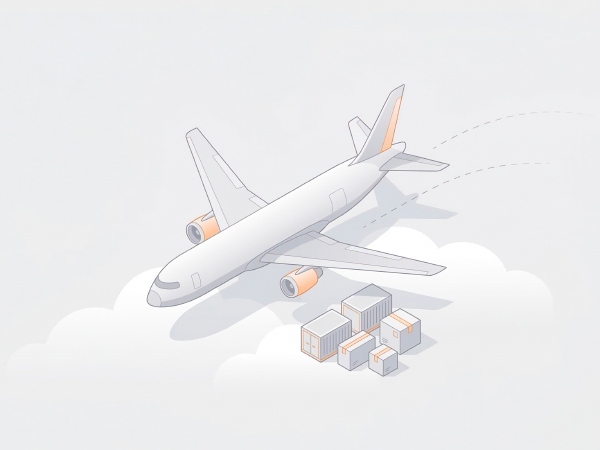
Air freight from Mexico

Air shipment is considered in cases where the cargo needs faster delivery and predictability at individual stages of the journey is important. This format is more often chosen for shipments where logistical time is more critical than the cost of the scheme.

02.

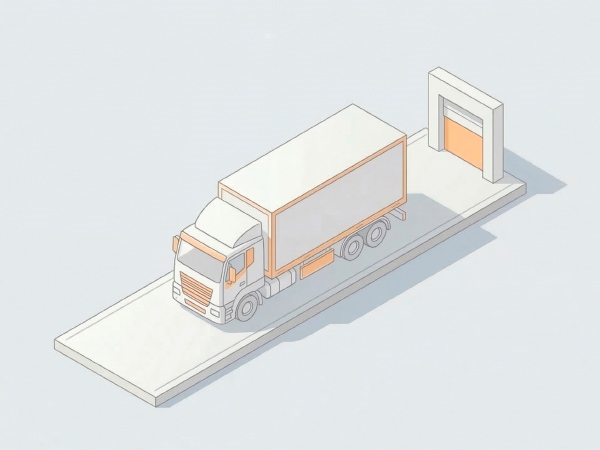
Road freight from Mexico

Road transportation is in demand for both internal logistics stages and international land routes. This option is often used when flexibility in loading and cargo pickup organization is important.

03.

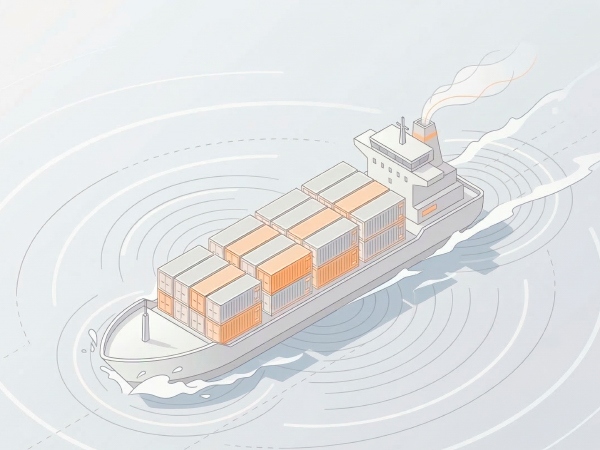
Sea freight from Mexico

Sea delivery is used for large shipments and international supplies where transport volume and the ability to use port infrastructure are important. This format is often used for container shipping and export routes.

04.

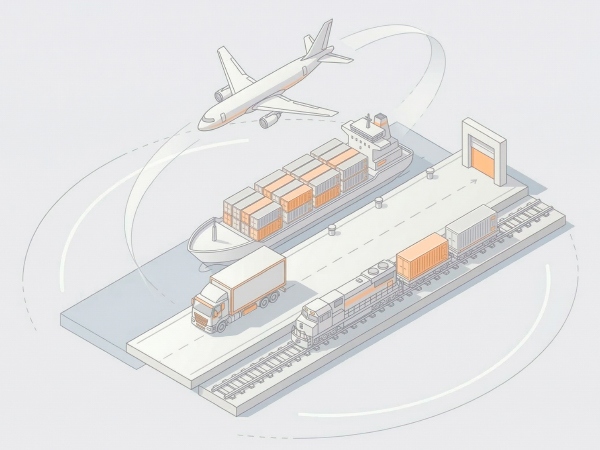
Multimodal transportation from Mexico

A multimodal scheme is needed where a single mode of transport is insufficient for the entire chain. It is applied when a shipment from Mexico requires a combination of stages, transshipment, or transitions between different transport formats.

Departure cities for cargo from Mexico

The point of origin affects not only the start of the transportation but also the further configuration of the route along the international direction.

Mexico City

Mexico City acts as one of the country's largest logistics and business hubs, where it is convenient to form batches for further movement via air, road, and combined schemes. This city is often viewed as a key consolidation point for international shipments from the central part of Mexico.

Monterrey

Monterrey is used as a departure center for cargo that requires well-structured international logistics with subsequent distribution along the route. For a number of routes, the city's role as an organizational starting point and connection for transportation stages is precisely what matters.

What affects delivery times and rates from Mexico

The cost and duration of transportation are formed not by a single parameter, but by a combination of conditions of a specific shipment.

  • review thumb
    Routing

    The final scheme depends on whether the cargo goes directly or passes through intermediate points. The more complex the route configuration, the more noticeably it affects the price and transit time.

  • review thumb
    City of departure

    Mexico City and Monterrey are integrated into the logistics chain differently, so the starting point affects the further assembly of the route. For some routes, it is a matter of connection convenience; for others, a matter of the available transport format.

  • review thumb
    Type of transport

    Air, road, sea, and multimodal schemes provide different cost structures and different rates of cargo movement. The choice of transport is directly linked to the shipping objective and time constraints.

  • review thumb
    Shipment format

    Consolidated shipping and a separate dedicated shipment require different transport organization. This is reflected in how the cost is calculated and how the logistics along the route are structured.

  • review thumb
    Transshipment and number of stages

    If the cargo passes through several sections of the route, this adds extra links to the chain. Each such link affects both the rate calculation and the overall delivery time.

  • review thumb
    Nature of the cargo

    Cargo parameters, handling requirements, and transportation features alter the available shipping schemes. The same route can be calculated differently for different categories of cargo.

Frequently Asked Questions about cargo delivery from Mexico

The minimum cargo size for placement and carrier matching on this route is 100 kg. This is because the page is oriented toward B2B shipments, rather than small private parcels.

Air, road, sea, and multimodal transportation are available for shipments from Mexico. The specific format is selected based on the delivery objective, route structure, and time requirements.

The timeframe is determined by how direct the route is, how many stages it contains, and what transport is used on each section. For shipments from Mexico, a significant role is also played by the city where the transportation begins and whether a connection between delivery formats is required.

Shipments from Mexico City and Monterrey are covered on this page. These cities act as starting points from which the international logistics scheme is further developed.

The rate is affected not by a single metric, but by the entire transport configuration: city of departure, selected transport, shipment format, presence of transshipment, and features of the cargo itself. Therefore, the cost is calculated based on a specific route rather than just the country of origin.

First, you should determine your priority: speed, sea delivery, a direct transport scheme, or combined logistics with multiple stages. After that, it makes sense to look at the departure city, available routes, and route info cards with direction parameters.

Yes, the selection is usually built around the required route and type of transportation. If you need a shipment from Mexico based on a specific delivery logic, you can proceed from the route direction to the suitable transport option and subsequent carrier selection on the platform.

The route card usually reflects the transport logic itself: where the shipment comes from, in which direction the cargo moves, and what delivery format is used. This helps to quickly understand if the route fits your task before making a more detailed selection.