English
 Русский
 Español
Air Freight from Turkey
Air transport is in demand for urgent deliveries, high-value goods, and time-sensitive cargo. Istanbul airports, which are among the largest aviation hubs in the region, play a key role here.

Turkey is a destination where not only the fact of shipping from the country matters, but also the specific point of departure: the city of origin, cargo characteristics, and the subsequent route layout. The catalog for this destination usually features routes from Istanbul, Izmir, and Mersin.
For shipments from Turkey, road, air, sea, and multimodal schemes can be used. The choice of route typically depends on the urgency of delivery, consignment parameters, the need for transshipment, and the configuration of the supply chain to the destination country.
Logistics from Turkey relies on the country's strategic position between Europe, Asia, and the Middle East. International transportation is built around a developed network of highways, major seaports, railway infrastructure, and aviation hubs connecting with dozens of global markets.
In practice, a route from Turkey is often chosen not based on the principle of "shipping from the country," but on the logic of a specific transport hub: whether a direct road delivery can be organized, whether an exit through a seaport is required, or if it is more efficient to use a multimodal scheme involving several modes of transport.
The Turkey catalog may feature routes from Istanbul, Izmir, and Mersin to the CIS countries, Europe, Central Asia, the Middle East, North Africa, and other international destinations.
Below are the main transportation formats used for international shipments from Turkey.
Air transport is in demand for urgent deliveries, high-value goods, and time-sensitive cargo. Istanbul airports, which are among the largest aviation hubs in the region, play a key role here.

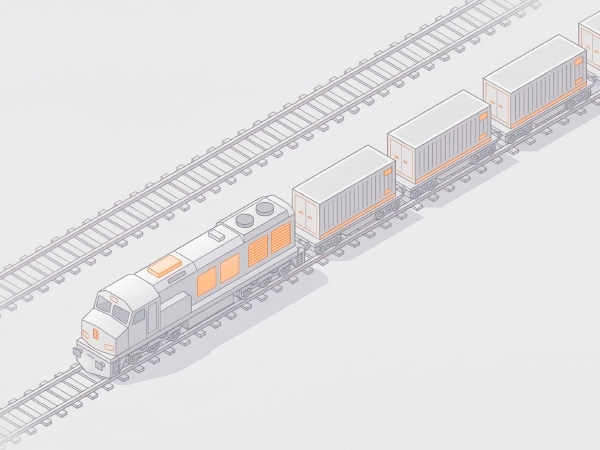
Turkey's railway infrastructure is used in international supply chains as part of overland and combined routes. This format can be applied to transportations where a balance is required between shipping costs and the logic of cargo movement across several regions.
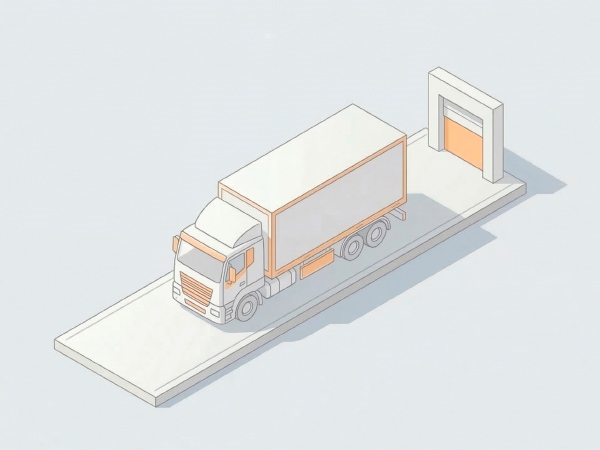
Road transport is one of the most popular methods for delivering cargo from Turkey. This format is suitable for the direct removal of products from warehouses, factories, and distribution centers without additional transshipment at the start of the route.
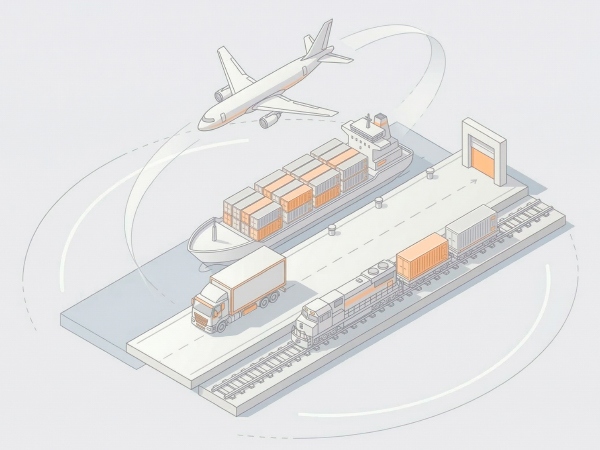
The multimodal scheme is in demand for complex international supply chains that require a combination of road, sea, rail, and air transport. This approach allows for a flexible balance between delivery times and costs.
The current points of departure reflect various logistical functions within the country: the largest international transport hub, an industrial region, and a maritime export hub.
Istanbul is the main logistics hub of Turkey. It concentrates the largest marine terminals, airports, distribution centers, and transport companies that ensure international cargo flows in all directions.
Izmir plays an important role in the country's export logistics due to its developed industry and large seaport. The city is actively used for international shipments of industrial and agricultural products.
The final cost of transportation and transit time depend on a combination of several factors: the route, the point of departure, the chosen mode of transport, and the cargo characteristics.

Even with the same cargo parameters, delivery times and costs can vary significantly depending on the shipping destination, transit countries, and the number of stages in the supply chain.

Istanbul and Izmir possess different logistical capabilities. One city focuses on multimodal logistics and aviation, while the other is geared toward industrial exports and sea freight.
Road, air, sea, and multimodal transport address different tasks and affect delivery costs and times differently.

Full load transportation, groupage cargo, consolidation, and regular deliveries are calculated according to different schemes and require various logistical solutions.

The use of ports, terminals, distribution centers, and airports adds extra stages of cargo handling and affects the route configuration.

Rate calculation is influenced by weight, volume, packaging, temperature control, documentation requirements, and the need for special transportation conditions.
The minimum cargo size for booking and matching transportation on this route is 100 kg. This is because the page is geared towards B2B shipments rather than small private parcels.
Air, rail, road, and multimodal transport are available for shipments from Turkey. The specific format is chosen based on the delivery task, route structure, and time requirements.
The delivery timeframe is determined by how direct the route is, how many stages it includes, and what mode of transport is used on each leg. For shipments from Turkey, the city where the transportation begins and whether transshipment is required along the way also play a significant role.
Within the scope of this page, shipments from Istanbul and Izmir are considered. These cities serve as key starting points from which the international logistics scheme is further constructed.
The rate is influenced not by a single indicator, but by the entire transportation configuration: the city of departure, the chosen transport, the consignment format, the presence of transshipment, and the characteristics of the cargo itself. Therefore, the cost is calculated for a specific route, rather than just based on the country of departure.
First, you should determine what your priority is: delivery speed, a direct transportation scheme, or combined logistics with multiple stages. After that, it makes sense to evaluate the city of departure, available routes, and destination parameters.
Yes, selection is usually based on the required route and type of transportation. If you need a shipment from Turkey according to a specific delivery logic, you can proceed from the destination to a suitable transportation option and subsequent choice of contractor.
The route card usually reflects the logistics of the transportation itself: where the shipment comes from, in which direction the cargo moves, and what delivery format is used. This helps to quickly understand whether the route suits a specific task before a more detailed selection.