loader

This page is dedicated to international cargo transportation from the Republic of Korea: here you will find current routes, points of departure, and the operational logic of this destination.

According to the current configuration, sea, multimodal schemes, and options with a railway segment outside of Korea are used for this destination; the route is typically selected based on the city of departure, type of cargo, chain composition, and the final delivery point.

Cargo Transportation from the Republic of Korea

Logistics from the Republic of Korea is usually built around port shipments. Particularly important for the country are Busan, as a major international container and transshipment hub, and Incheon, as a multifunctional port combining container operations, vehicles, and general cargo.

This destination is characterized by a scheme in which the Korean leg begins in a port city, then the cargo goes by sea, and further, if necessary, overland segments are added, including a railway stage already outside of Korea. When choosing a route, operators typically look at the starting port, the number of transshipments, the consignment format, and the city where the cargo must arrive after the sea leg.

Delivery Routes from the Republic of Korea

Currently, routes from Busan and Incheon are published in the destination catalog.

Modes of Transportation from the Republic of Korea

For the Korean route, the transportation format is determined not only by the destination country but also by where the sea leg ends and how the cargo proceeds further overland.

01.

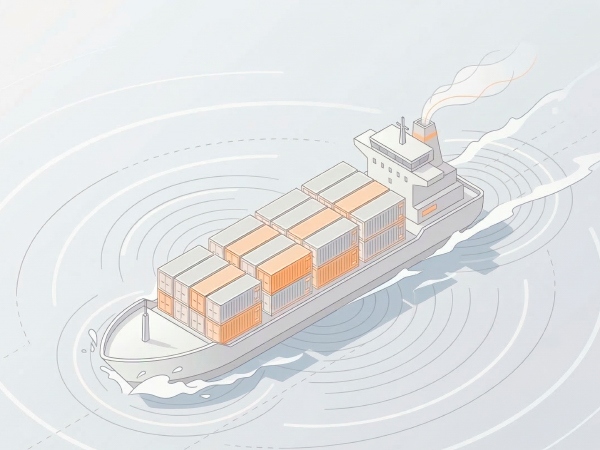
Sea Freight from the Republic of Korea

The basic logic of shipping from Korea is precisely tied to ocean services, as the export direction relies on major port hubs and container infrastructure. This format is appropriate for consignments that start from Busan or Incheon and then enter the international liner network.

02.

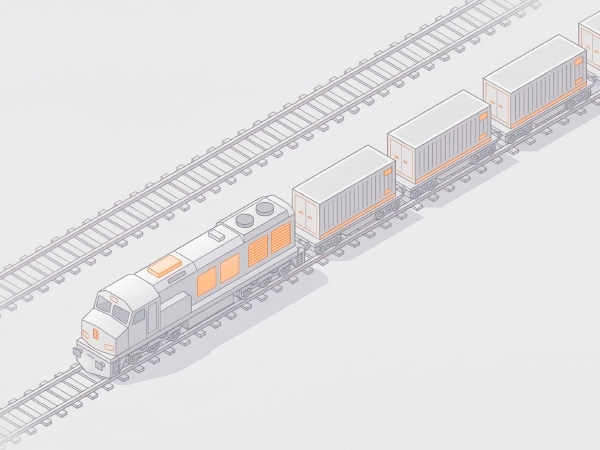
Rail Freight Outside of Korea

The railway stage here refers not to dispatch within the country, but to the continuation of the route after the sea leg. This format appears in chains where the cargo, after arriving at a transit port, is transferred to a train for onward delivery deep into the mainland.

03.

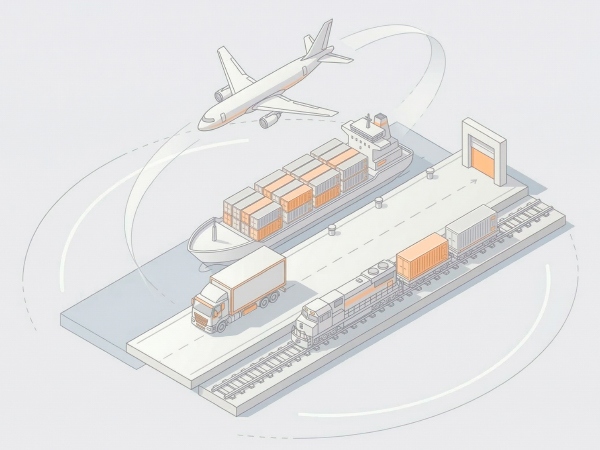
Multimodal Transportation from the Republic of Korea

This scheme is used where a single sea leg is insufficient. After departing from a Korean port, the cargo continues its journey through a transit hub, followed by delivery via road transport or railway to the final city.

Cargo Departure Cities in the Republic of Korea

The current routes on the platform are linked to two dispatch hubs, and each of them defines its own logistical role within the destination.

Busan

Busan is a key maritime hub for international container shipments from Korea. The port operates as a major hub in Northeast Asia and is connected to a wide network of global ports, which is why it is logical for schemes requiring regular sea services and subsequent connection to a multimodal chain to start here.

Incheon

Incheon serves as a multifunctional port where container operations, vehicle handling, and general cargo processing are combined. As a result, the city is convenient as a point of departure for consignments with various cargo compositions, including containerized, automotive, and mixed shipments.

Logistics Specifics from the Republic of Korea

For most routes, a key role is played by ocean freight and the subsequent connection with overland delivery stages. Therefore, when planning a shipment, it is important to consider the port of departure, the number of transshipments, and the format of further cargo movement after arrival at the transit hub.

Depending on the route, the cargo may travel solely by sea or continue its movement by rail or road transport. This is precisely why logistics from Korea is most often viewed as an integrated chain rather than transportation by a single mode of transport.

What Affects Delivery Times and Rates from the Republic of Korea

For the Korean route, the final rate and timeframe depend not on a single parameter, but on a combination of the port of departure, route configuration, and the characteristics of the consignment itself.

  • review thumb
    Route and Number of Transshipments

    A direct chain and a route with multiple stages after leaving a Korean port result in different calculations. The more connections between the sea and land legs, the more significantly both the timeframe and the final cost change.

  • review thumb
    City of Departure

    Busan and Incheon are different starting points, and each defines its own liner logic, set of services, and configuration of further cargo movement. Because of this, even for the same destination country, route conditions may vary.

  • review thumb
    Type of Transport Scheme

    Sea shipping, a multimodal chain, and an option with a railway segment outside of Korea are calculated differently. The outcome is influenced not only by the primary mode of transport but also by how the transition between the marine and land stages is organized.

  • review thumb
    Consignment Format

    A containerized consignment, a consolidated shipment, and cargo with special requirements impose different demands on the route. Weight, volume, number of pieces, and packaging type directly affect the calculation.

  • review thumb
    Nature of Cargo

    Electronics, auto components, machinery, and chemical products require different approaches to packaging, labeling, and handling. As a result, the same route can be calculated differently for various commodity groups.

  • review thumb
    Capacity of Lines and Transit Hubs

    Even with the same scheme, timeframes can change due to the congestion of ports, terminals, and intermediate points. For the Korean route, this is particularly noticeable where another delivery leg is added after the sea leg.

Frequently Asked Questions about Cargo Delivery from the Republic of Korea

The minimum cargo size for this route is 100 kg.

According to the current logic of the page, sea, multimodal schemes, and options with a railway segment outside of Korea are used. The specific format depends on where the sea leg ends and how the cargo proceeds to the final point.

Currently, Busan and Incheon are published in the route catalog for dispatches from the Republic of Korea. The up-to-date list of cities depends on the routes hosted on the platform at the moment.

The rate is formed by a combination of parameters: city of departure, type of transport scheme, number of transshipments, consignment format, cargo characteristics, and the final delivery point.

Timeframes vary depending on the route, chain composition, port and intermediate hub congestion, as well as the number of stages the cargo goes through after leaving Korea.

First, it makes sense to look at the city of departure and the type of cargo, then consider whether only ocean service is required or if the route must continue overland.

Yes, a carrier is selected via the published routes and destination cards.

The route card usually displays the points of origin and destination, the carrier, a delivery time guideline, the rate, and a link to the route details. For the Korean destination, routes from Busan and Incheon to Tashkent are currently shown in the catalog.